Introduction
An eye stye is a common and often harmless eye problem. Many people experience a stye at some point in their lives. However, knowing the causes, symptoms, and treatment options can help you manage it better. In this blog, you will learn how to spot a stye, how to treat it, and ways to prevent it from coming back.
What Is an Eye Stye?
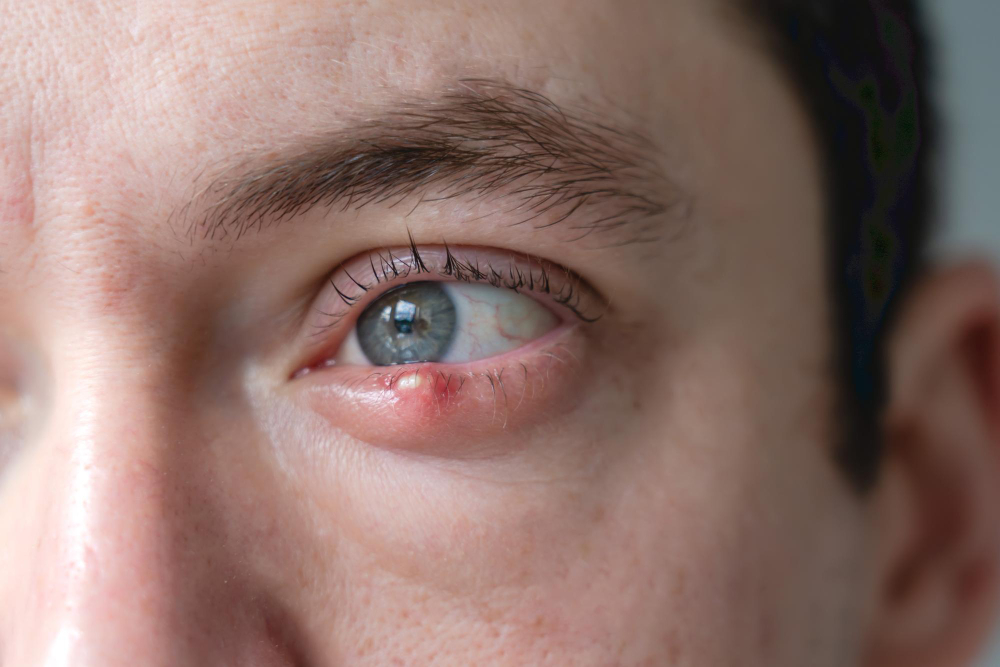
An eye stye is a small, red bump that forms on the edge of your eyelid. Usually, it looks like a pimple or boil. Most styes are caused by a bacterial infection in the oil glands of the eyelid. While styes can be painful, they are rarely serious. Often, they heal on their own within a week.
Causes of Eye Stye
Eye styes develop when bacteria infect the oil glands or hair follicles in the eyelid. Several factors can increase your risk. For example, touching your eyes with dirty hands can introduce bacteria. In addition, using old or shared makeup can also lead to infection. Here are some common causes and risk factors:
Symptoms
Eye stye symptoms are usually easy to spot. However, some signs may be mild at first. Over time, symptoms can become more noticeable. Common stye symptoms include:
Sometimes, the area may fill with yellow pus and burst on its own. Even so, most styes heal without problems.
Diagnosis
Doctors can usually diagnose an eye stye by looking at your eyelid. No special tests are needed. During the exam, your doctor may:
In rare cases, if the stye does not heal, your doctor may suggest further tests to rule out other conditions.
Treatment Options
Most eye styes get better with simple home care. However, some cases may need medical treatment. Here are common ways to treat an eye stye:
Home Care
Medical Treatment
Most people see improvement within a few days. Even so, follow your doctor’s advice for the best results.
Prevention Tips
Preventing an eye stye is possible with good habits. For example, keeping your hands and face clean can lower your risk. Here are some tips to help prevent styes:
With these steps, you can reduce your chances of getting a stye.
When to See a Doctor
Most eye styes heal on their own. However, you should see a doctor if:
Early medical care can prevent complications and help you heal faster. If you suspect an eye stye or have persistent symptoms, consult an eye care specialist at Neo Vision Eye Care & Laser Centre for personalized advice.