
Introduction
Recurrent eye infections happen when you get eye infections again and again. These can affect your daily life and comfort. For many people, recurrent eye infections cause pain, redness, and blurred vision. But why do eye infections keep coming back? Understanding the reasons can help you prevent future problems. According to the World Health Organization (WHO), eye infections are a common health issue worldwide. However, with the right care, you can reduce your risk.
Common Symptoms
Recurrent eye infections often show the same signs each time. Early recognition helps you seek treatment quickly. For example, you may notice:
Sometimes, symptoms are mild. But in other cases, they can be severe and affect your vision.
Main Causes
There are several reasons why recurrent eye infections happen. Often, more than one factor is involved. Here are some common causes and risk factors:
Additionally, some people have underlying health problems that make infections come back. For instance, diabetes or autoimmune diseases can increase your risk.
How Recurrent Eye Infections Are Diagnosed
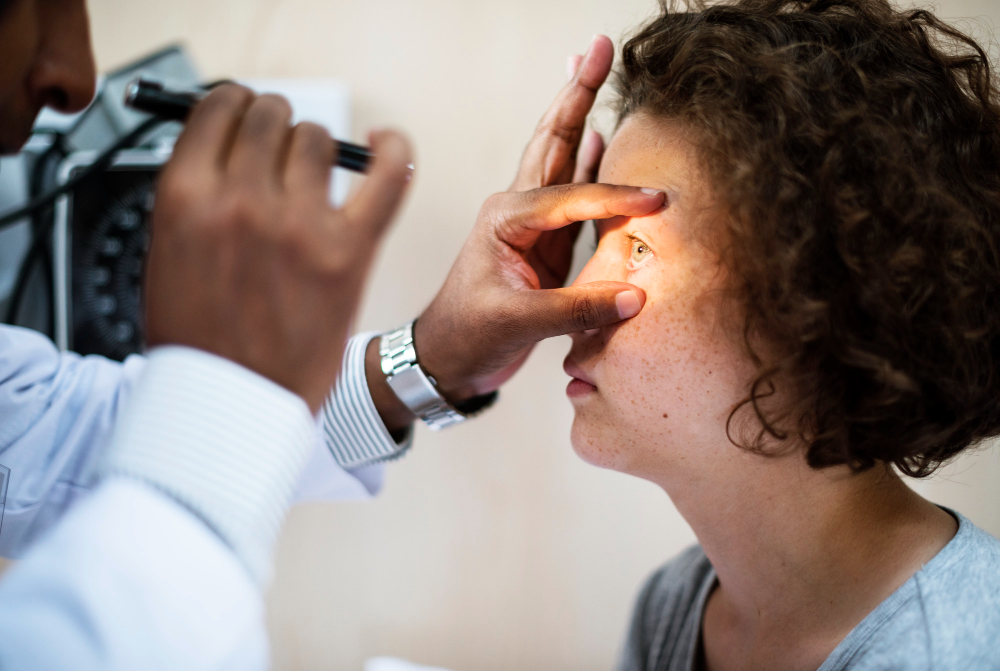
Doctors use several steps to diagnose recurrent eye infections. First, they ask about your symptoms and medical history. Next, they examine your eyes with a special light. Sometimes, they take a sample of eye discharge to find out which germ is causing the problem. In some cases, your doctor may check for underlying conditions, such as allergies or immune system issues. Early diagnosis helps prevent complications and guides the right treatment.
Treatment Options
Treating recurrent eye infections depends on the cause. Your doctor may suggest:
At home, you should avoid touching or rubbing your eyes. Also, always wash your hands before caring for your eyes. If you wear contact lenses, follow your eye care provider’s cleaning instructions closely. For severe or chronic eye infection causes, your doctor may refer you to a specialist.
Prevention Tips and Lifestyle Guidance
Preventing eye infections is possible with simple steps. For example, you can:
In addition, regular eye check-ups can help catch problems early. If you notice symptoms, seek care right away to prevent them from getting worse.
When to See an Eye Specialist
Sometimes, home care is not enough. You should see an eye specialist if:
Early treatment can prevent serious complications. Therefore, do not wait if you are worried about your eyes.
In summary, recurrent eye infections can be bothersome, but you can manage and prevent them. Consult an eye specialist at Neo Vision Eye Care & Laser Centre for personalized advice if you experience recurrent eye infections.