Introduction
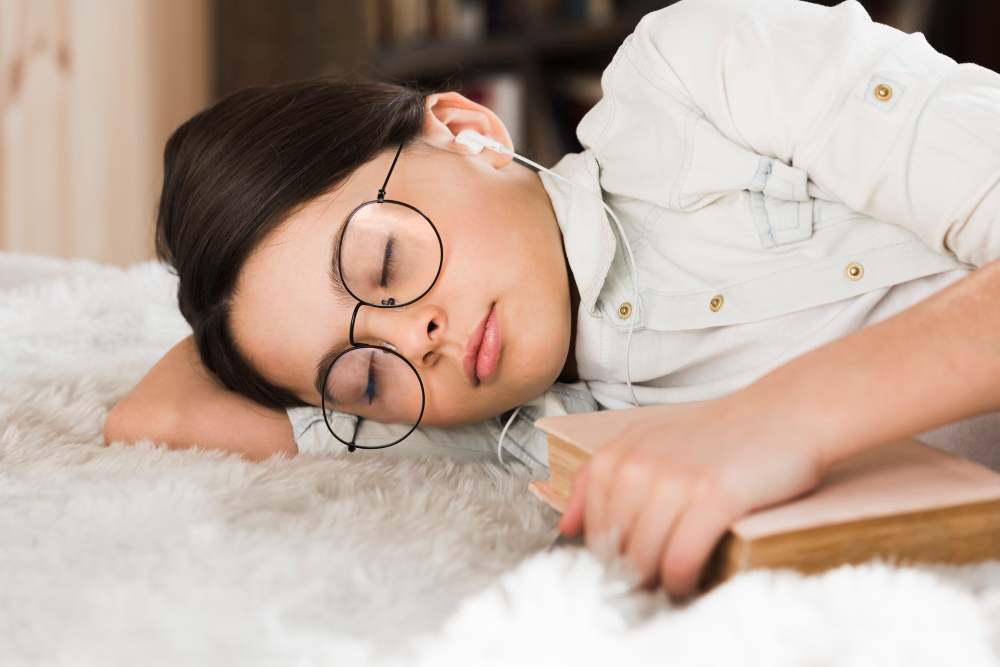
Good sleep is important for your whole body, but many people forget about its role in eye health. The role of sleep in eye health is often overlooked, yet it is key for clear vision and comfort. When you sleep well, your eyes get a chance to rest and repair. However, poor sleep can lead to many eye problems. In this blog, you will learn how sleep and vision are connected, what signs to watch for, and how to keep your eyes healthy through better sleep.
How Sleep Affects Eye Health
During sleep, your eyes get a break from light and movement. This rest helps them recover from daily strain. Also, sleep allows your eyes to make tears, which keep them moist and comfortable. Without enough sleep, your eyes may feel dry or tired. In addition, sleep helps lower swelling and repair tiny blood vessels in your eyes. According to the American Academy of Ophthalmology, deep sleep is needed for healthy eye function. So, getting enough rest is one of the best ways to protect your vision.
Common Eye Problems Linked to Poor Sleep
Not getting enough sleep can cause several eye problems. For example, you may notice:
Over time, poor sleep can even raise your risk for more serious issues. For instance, some studies link lack of sleep to glaucoma, a disease that can harm your vision. In rare cases, very little sleep may cause eye pain or even double vision. Clearly, the role of sleep in eye health is vital.
Signs Your Eyes Need More Rest
Sometimes, your eyes will tell you when they need more sleep. Watch for these signs:
If you notice these symptoms often, it may be time to improve your sleep habits. In many cases, better rest can help your eyes feel and work better.
Tips for Improving Sleep for Better Eye Health
There are simple steps you can take to sleep better and support your eyes. Try these tips:
With these changes, you may notice your eyes feel less tired and more comfortable.
Prevention and Lifestyle Guidance
Besides good sleep, other healthy habits can protect your eyes. For example, eat foods rich in vitamins A, C, and E, which support eye health. Also, wear sunglasses outdoors to shield your eyes from the sun. If you live in a dry or windy area, use eye drops to keep your eyes moist. In addition, regular exercise helps improve blood flow to your eyes. By making these choices, you can lower your risk of eye problems from lack of sleep and other causes.
When to See an Eye Specialist
Sometimes, eye problems do not go away with better sleep. If you notice sudden changes in your vision, pain, or ongoing redness, see an eye specialist. Also, if you have trouble sleeping and your eyes always feel tired, a doctor can help. Early care can prevent more serious issues and protect your vision. According to the CDC, regular eye exams are important for everyone, even if you feel fine.
Conclusion
In summary, the role of sleep in eye health is very important. Good sleep helps your eyes rest, repair, and stay healthy. On the other hand, poor sleep can lead to many eye problems. By following healthy sleep habits and watching for warning signs, you can protect your vision. Consult an eye specialist at Neo Vision Eye Care & Laser Centre if you notice changes in your vision or have concerns about your sleep and eye health.