Introduction to Refractive Surgery and Its Purpose
Refractive surgery helps people see clearly without glasses or contact lenses. Many choose this option to correct vision problems like nearsightedness, farsightedness, or astigmatism. Preparing for refractive surgery is important for a safe and successful outcome. In this guide, you will learn what to know before refractive eye surgery and how to get ready for your procedure.
Who Is a Good Candidate for Refractive Surgery?
Not everyone is a good fit for refractive surgery. However, many adults with stable vision can benefit. You may be a good candidate if:
Still, your eye doctor will check your eyes and health history to decide if surgery is right for you.
Essential Pre-Surgery Preparations
Before your procedure, you need to follow some important steps. These refractive surgery preparation tips help lower risks and improve results. For example, your doctor will:
Sometimes, you may need to adjust or stop certain medications. Always follow your doctor’s advice closely.
What to Expect Before, During, and After Surgery
Before Surgery
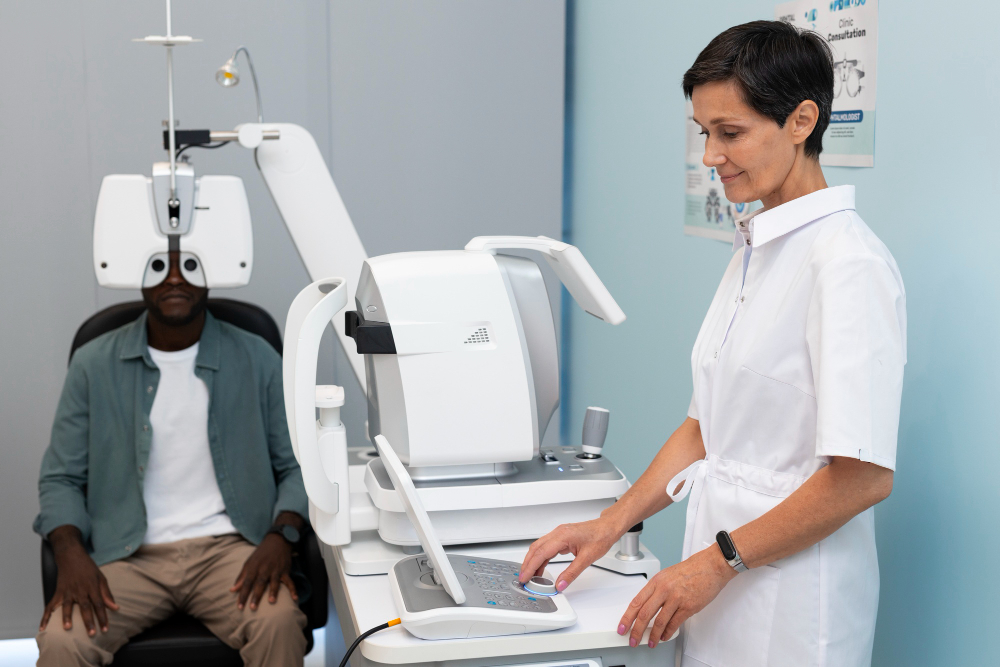
First, you will meet with your eye specialist for tests and questions. You may need to arrange for someone to drive you home after the procedure. Also, avoid using makeup, creams, or perfumes on the day of surgery.
During Surgery
Most refractive surgeries take less than 30 minutes. You will be awake, but your eye will be numbed with drops. The doctor uses a laser or small tools to reshape your cornea. You may feel slight pressure, but there should be no pain.
After Surgery
After the procedure, you will rest for a short time. Then, you can go home. Your vision may be blurry at first, but it should improve within a few days. Your doctor will give you eye drops and instructions for care.
Risks, Benefits, and Recovery Tips
Like any surgery, refractive eye surgery has risks and benefits. According to the American Academy of Ophthalmology, most people see better after surgery. However, some may have side effects, such as:
To help your recovery, follow these tips:
Lifestyle and Safety Guidance Before Surgery
Before your surgery, you can take steps to stay safe and healthy. For instance, eat a balanced diet and stay hydrated. Get enough sleep the night before your procedure. Also, plan to take a few days off work or school to rest. If you smoke, try to stop, as smoking can slow healing. Always follow your doctor’s advice for the best results.
Frequently Asked Questions About Preparation
Conclusion
Preparing for refractive surgery is key to ensuring a safe and successful procedure. By following these essential preparation tips, you can help ensure the best possible results and a smooth recovery.
Before your surgery, it’s important to consult with an experienced eye specialist at Neo Vision Eye Care & Laser Centre. Our experts will provide personalized advice to guide you through the process and ensure you are fully prepared for your surgery.
Take the first step toward clearer vision—schedule a consultation today to discuss your refractive surgery options!