Introduction
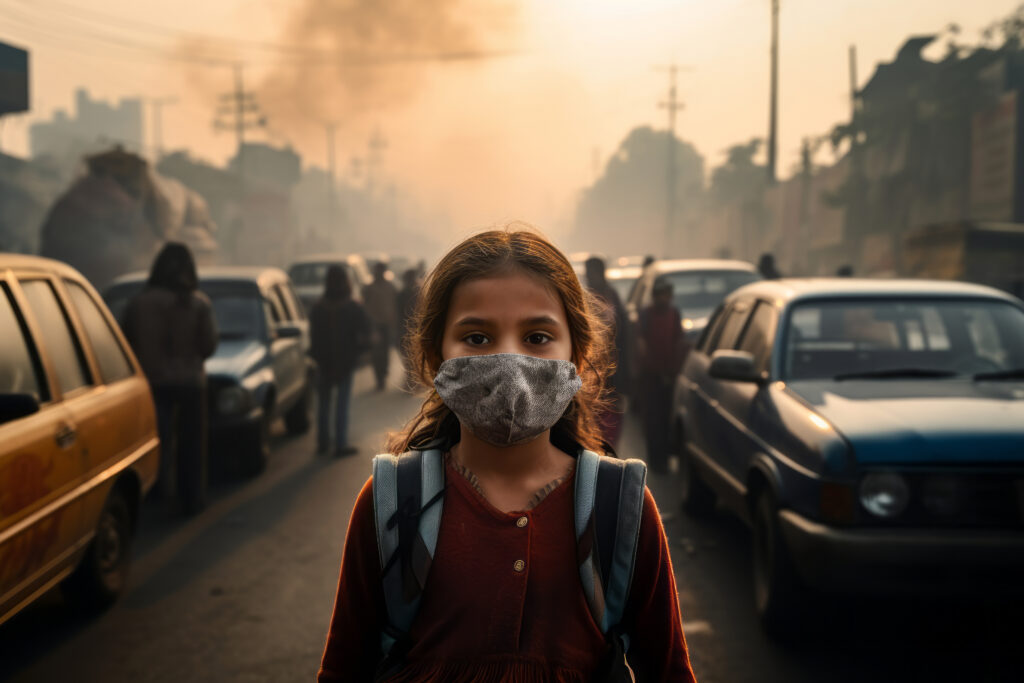
Smoke and pollution are common problems in many cities. They can harm your eyes and cause discomfort. In fact, “how smoke and pollution affect your eyes and ways to minimize irritation” is a concern for many people. Air pollution eye health is important for everyone, especially if you live in a busy area. This blog will explain how smoke and pollution cause eye irritation. You will also learn how to protect your eyes from smoke and reduce eye discomfort.
How Smoke and Pollution Affect Your Eyes
Smoke and pollution carry tiny particles and chemicals. These can enter your eyes easily. As a result, your eyes may become red, itchy, or watery. Over time, repeated exposure can make symptoms worse. For example, people living near busy roads or factories often notice more eye irritation from pollution. Even indoor smoke from cooking or burning can affect your eyes. Therefore, it is important to understand how these irritants work.
Common Symptoms of Eye Irritation
Many people experience eye irritation from pollution and smoke. Some common symptoms include:
Sometimes, these symptoms go away on their own. However, if they last for several days, you should seek help.
Causes: Types of Pollutants and Their Impact
There are many types of pollutants that can harm your eyes. For instance, outdoor air pollution includes dust, smoke, and chemicals from vehicles. Indoor pollution can come from cigarette smoke, cooking fumes, or cleaning products. Each type of pollutant can cause different problems:
According to the World Health Organization (WHO), air pollution can increase the risk of eye diseases. Therefore, knowing the sources of pollution helps you avoid them.
Diagnosis and When to See a Doctor
Most mild eye irritation can be managed at home. However, you should see a doctor if:
Doctors may check your eyes with a light or special dye. Sometimes, they may suggest tests to rule out infection. Early diagnosis can prevent serious problems. So, do not ignore ongoing discomfort.
Effective Ways to Minimize Eye Irritation
There are many ways to reduce eye discomfort from smoke and pollution. For example, you can:
Additionally, avoid rubbing your eyes, as this can make irritation worse. These simple steps can help protect eyes from smoke and pollution.
Prevention Tips for Eye Health
Taking care of your eyes every day is important. Here are some prevention tips:
By following these tips, you can support your air pollution eye health and reduce the risk of irritation.
Conclusion and Call-to-Action
In summary, smoke and pollution can cause many eye problems. However, you can take steps to reduce eye discomfort and protect your vision. If you experience persistent irritation, consult an eye specialist for personalized advice. Your eye health matters every day.